
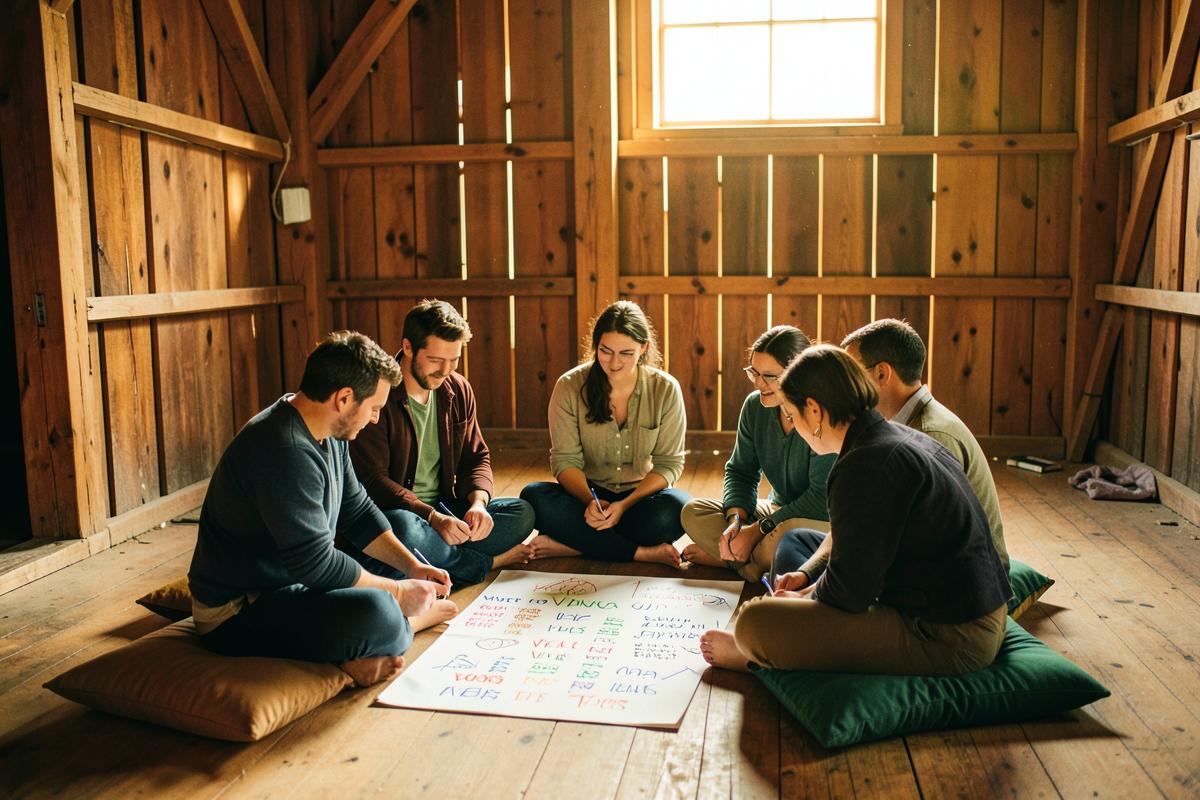
Week One
Defining The Vision & Finding The People: values, ethos and gathering your tribe
Get clear on vision, values, mission and ethos, then learn how to gather the right people around it, and how to notice early on when someone belongs elsewhere.
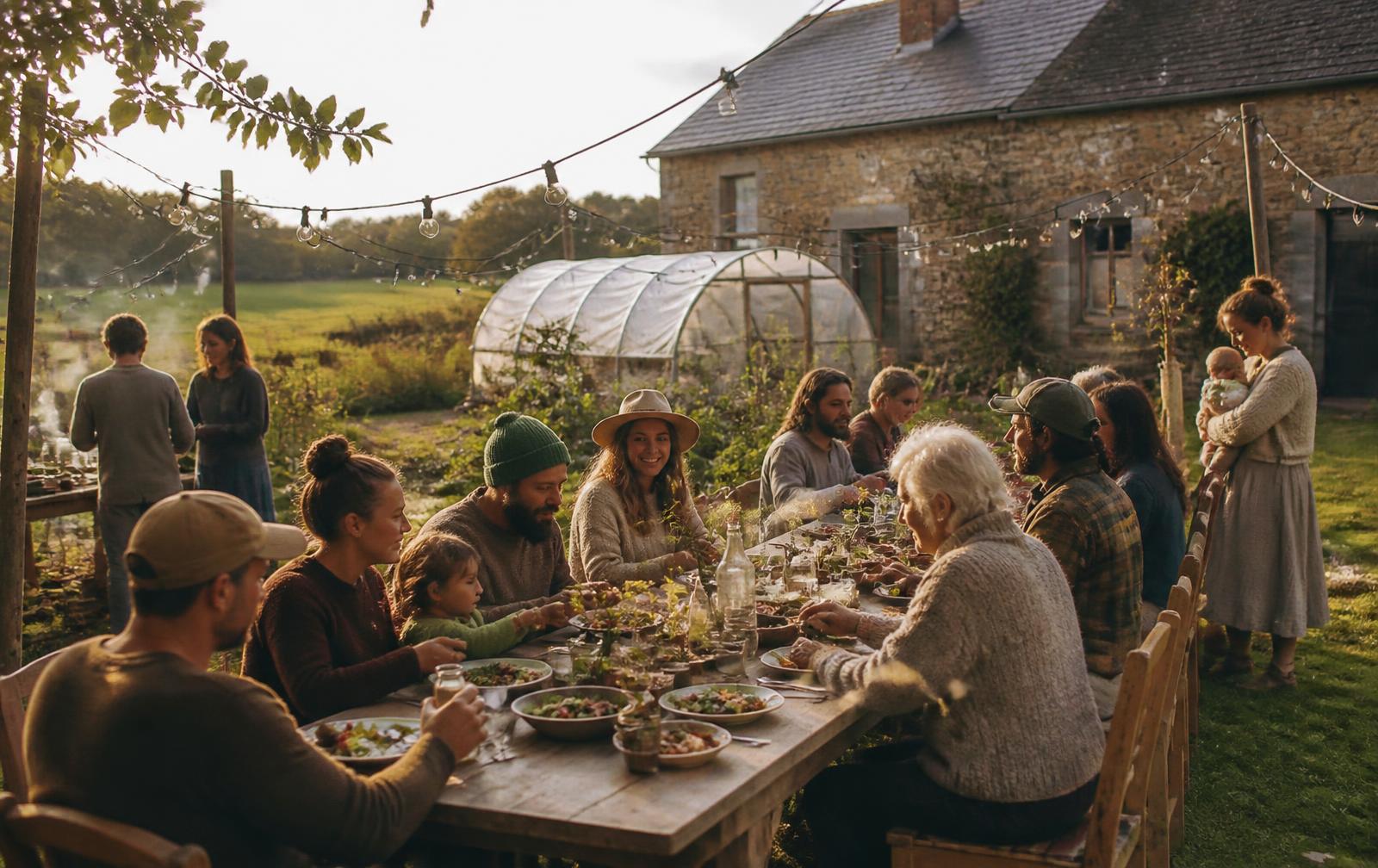
Why this course
Alongside the paperwork you'll get the lived, relational, culture-and-glue layer, taught from a real functioning example by people still living in it.
You'll get the legal structures, the money models and the governance. You'll also get the honest version: what went wrong for us, and how we'd do it differently next time.
The part nobody says out loud
You do not need to be rich to launch a community.
The idea that this takes millions is the single biggest thing standing between people and the life they want. We'll take it apart, and show you routes in that are manageable financially for ordinary people.
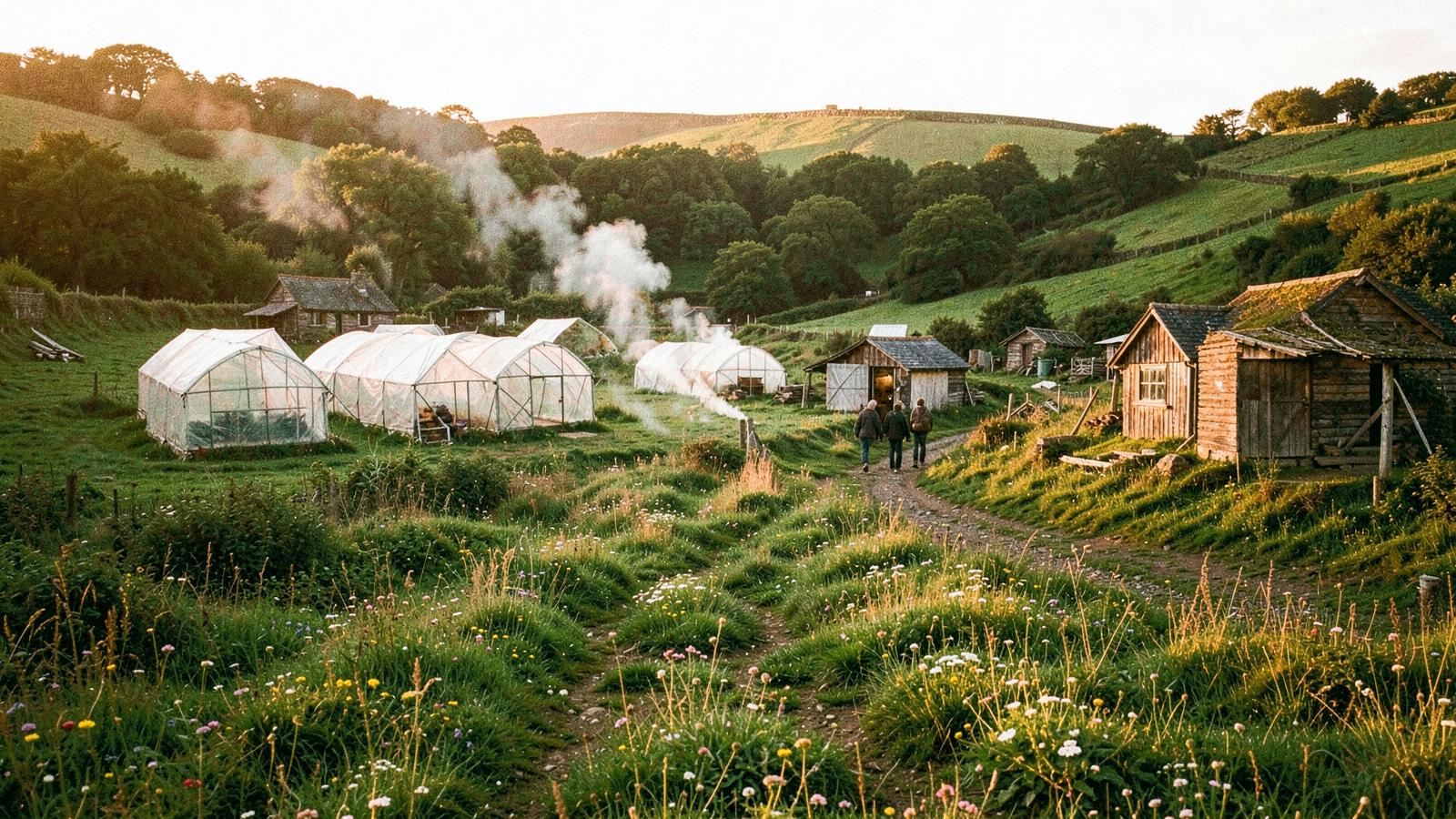
Who we are
We teach from the place we live in, the decisions we make together every week, and the years it took to get here.
Domnu Valley grew out of Lovejam, the gatherings where our people first found each other. What began as shared food, music, ceremony and honest conversation slowly became a question: what if we didn't go home afterwards?
Everything we teach was tested here first. The legal wrapper, the money model, the way land and buildings are held, the agreements about who joins and how, the weekly rhythm of meetings and meals. Some of it we got right early. Plenty of it we got wrong, and rebuilt.
How we run
The team behind Domnu
You will be held through the four weeks by the two of us, alongside the wider Domnu circle.

Lead facilitator
Zena holds the relational and cultural layer of Domnu Valley. She facilitates our circles, guides the seasonal rituals and shared ceremony, and is usually the person a new member sits down with first.
Her work draws on years of group facilitation, non violent communication and conflict mediation, and on the everyday practice of keeping a living community warm and honest with itself.

Lead facilitator
Nathan works on the structures that hold it all up: the legal wrapper, the money model, how land and buildings are held, and how a project gets from an idea to keys in hand.
He has walked the funding, leasing and cooperative routes in practice at Domnu, including the wrong turns, and translates that into steps a group can actually follow.
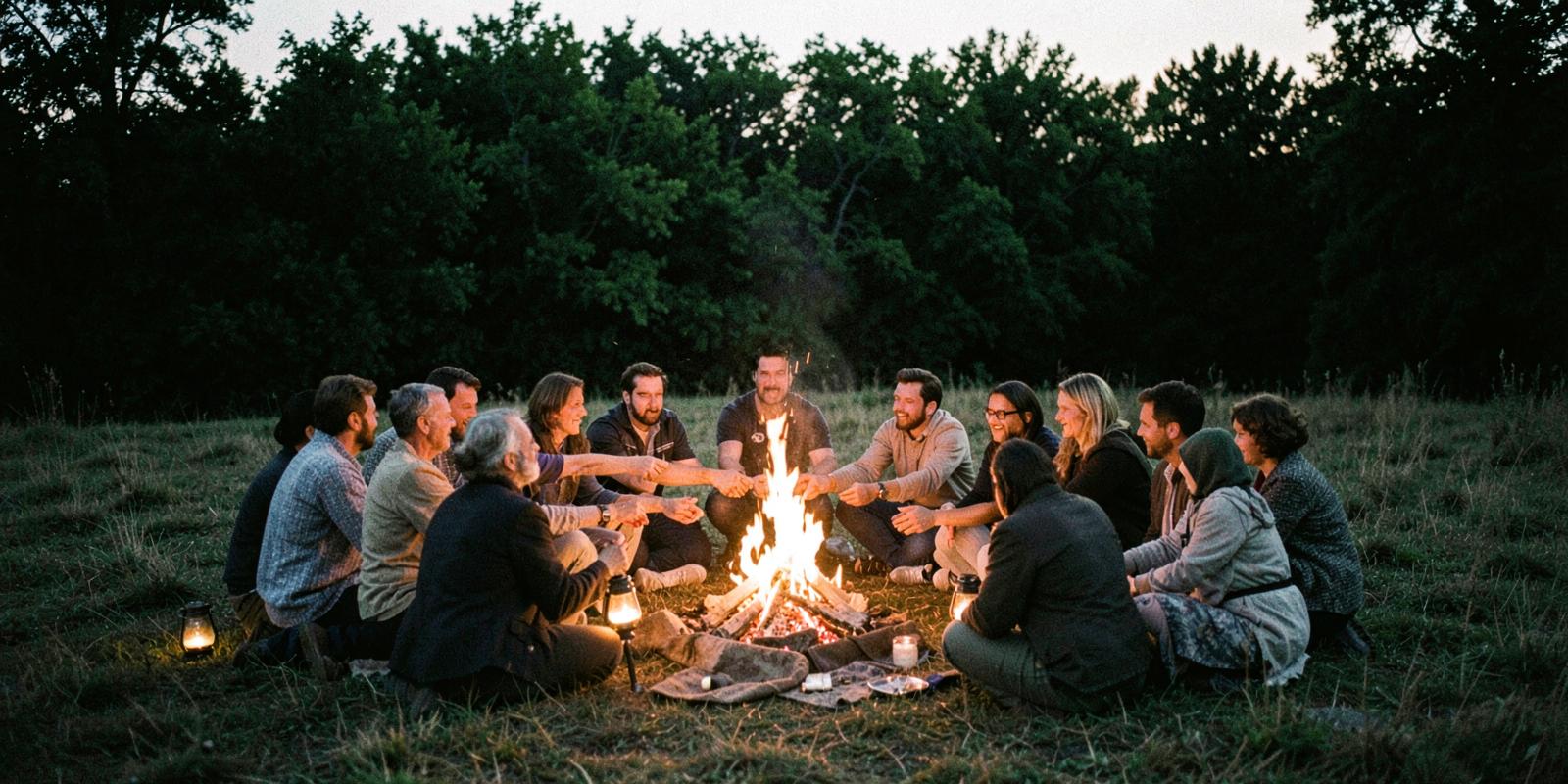
Who this is for
Some of you already have the place. There's land in the family, or a building that's too big for the people in it, and what's missing is knowing who belongs there and how you'd all live together without it costing you your peace.
Others have been talking about this for years. The vision is real, the notebooks are full, and nothing has moved because the first concrete step never became obvious. Stop dreaming about it and start building it, with others doing the same.
And some of you are already moving. Four of the six concrete steps are behind you, the questions have got specific and expensive, and what you need now is deeper handholding. There's a 1-to-1 track running alongside the course for exactly that.
What everyone here has in common: you want this to last, you'd rather learn from other people's mistakes than repeat them, and you're willing to do the relational work as well as the legal and financial work.
The modules
A sequenced path to launching, and to lasting.
Week One
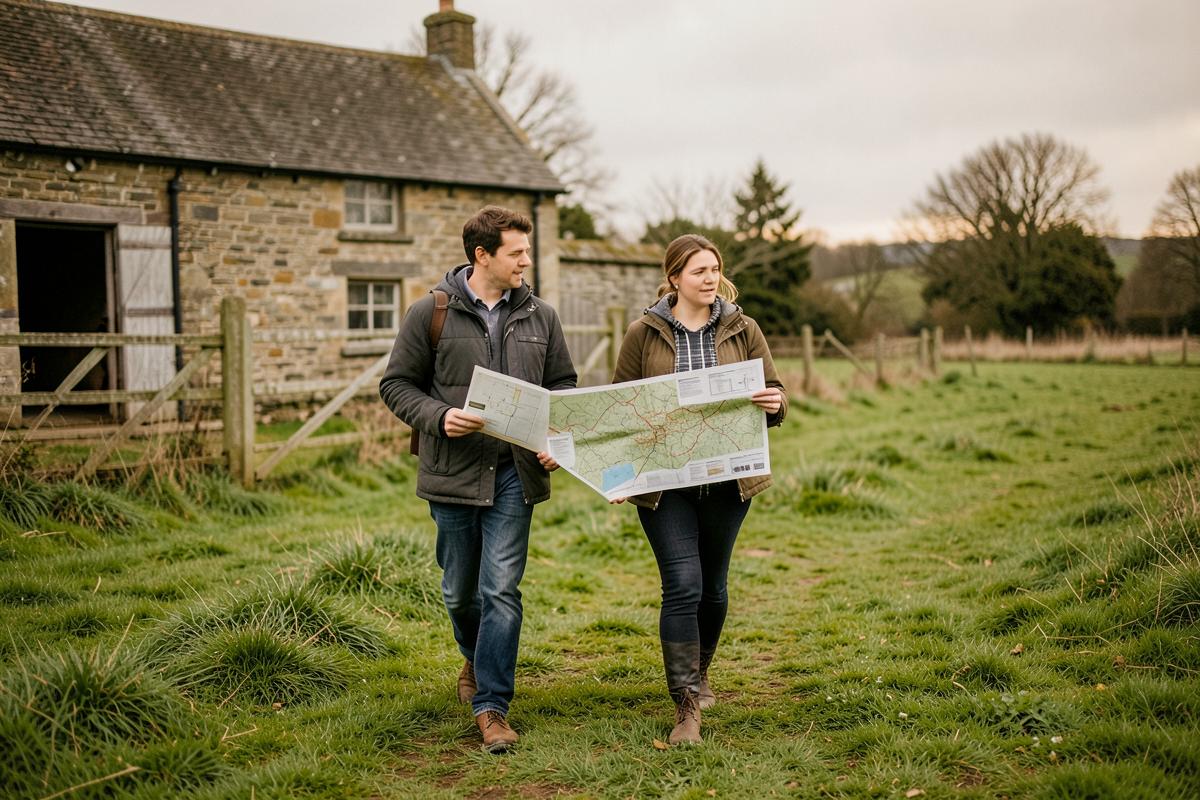
Get clear on vision, values, mission and ethos, then learn how to gather the right people around it, and how to notice early on when someone belongs elsewhere.
Week Two
Land, buildings, leases and lease options. How to read an opportunity honestly, what to walk away from, and the routes in that work without a fortune behind them.

Week Three
Startup financing and sustainable business models. Co-ops, mutual aid, shared purchase, income streams that hold a place together once the excitement wears off.
Week Four
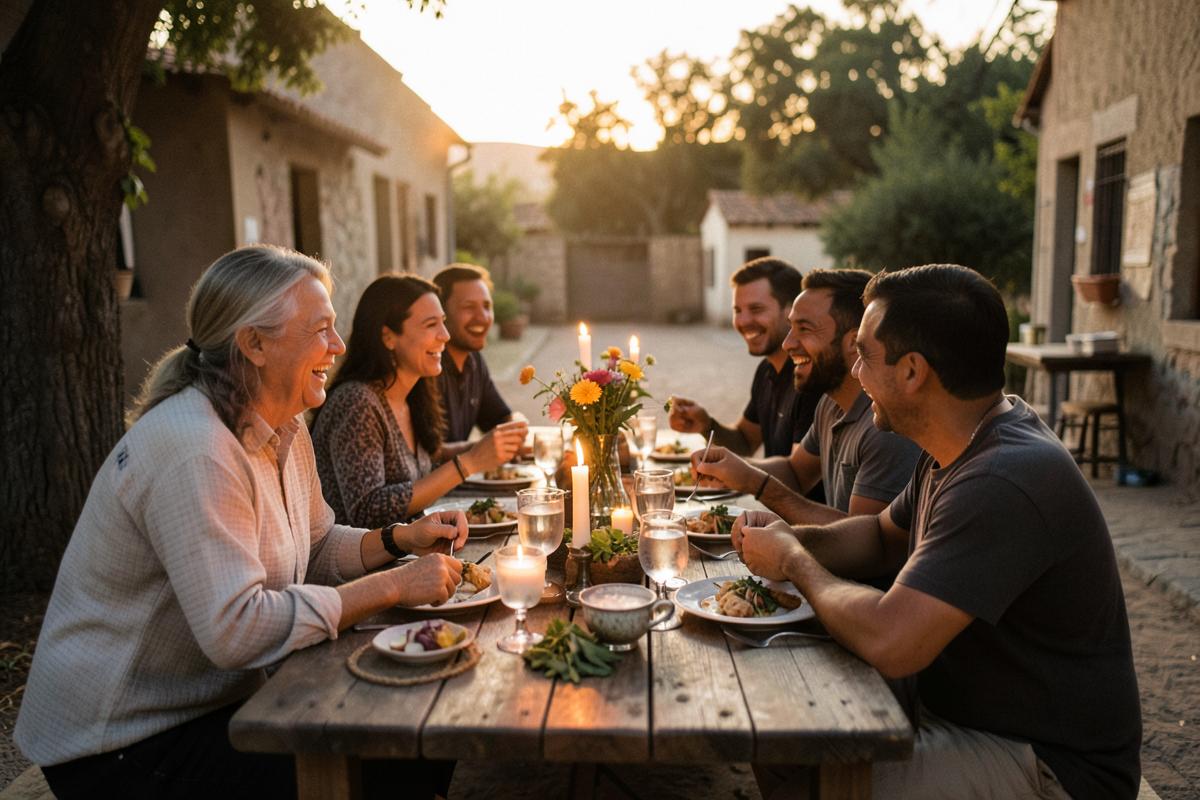
Governance, systems, rituals and structures. Sociocratic and flat decision making, conflict as a normal part of life, and the relational fabric that keeps people together.
The money myth
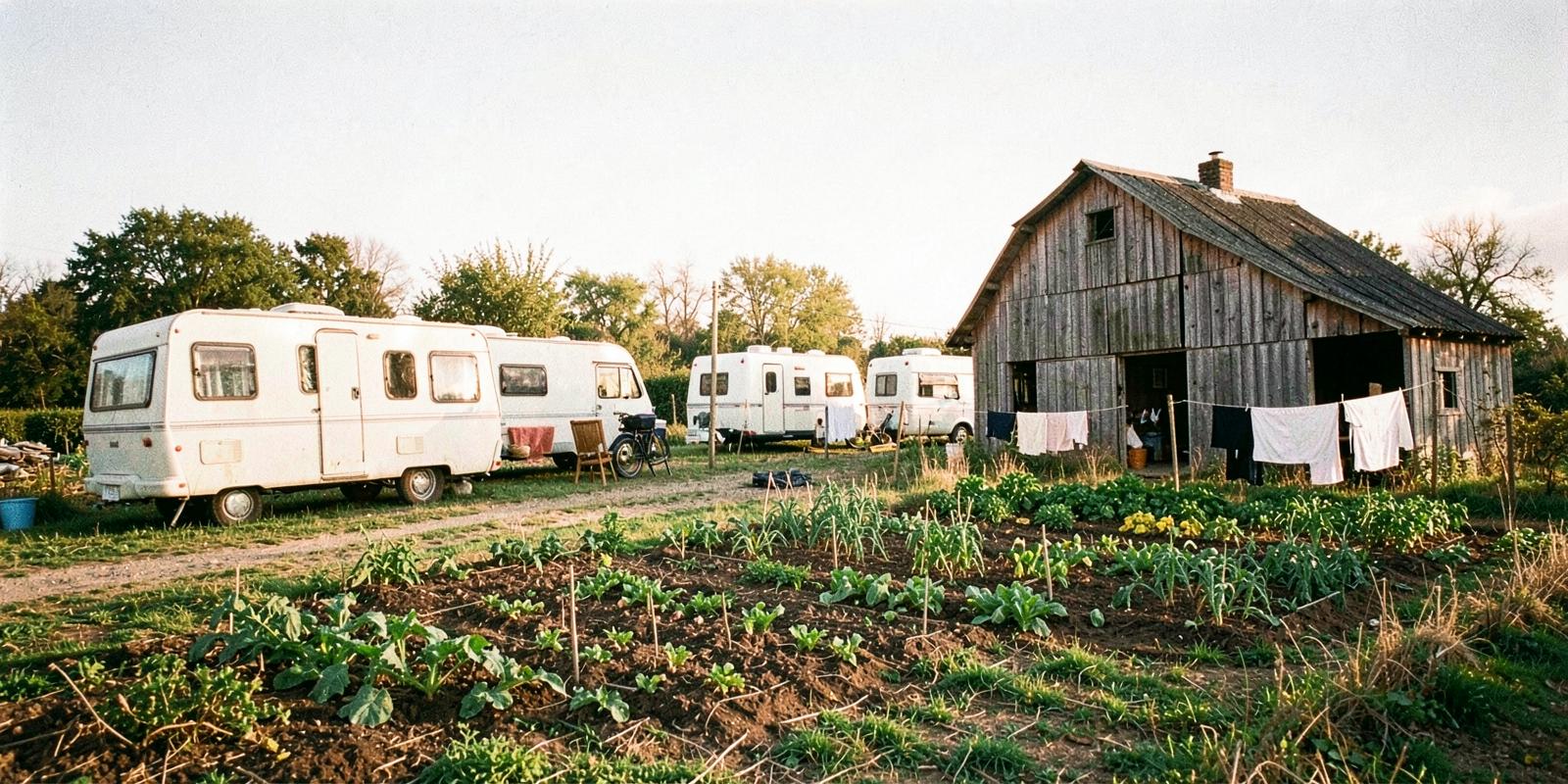
The belief that this requires a fortune stops more projects than any planning department ever has.
Leases, licences and lease options put you on land for a monthly figure instead of a purchase price, with a route to buy later if it's right.
Co-operative share raises, mutual aid loan networks, ethical lenders and members buying in over time. Communities are routinely started by people with nothing saved.
Growing, hosting, making, teaching, letting. The income that keeps the lights on and means nobody is quietly subsidising everyone else.
We'll be straight with you about what each route asks of you, including the risk, the paperwork and the pace, so you can pick one you can actually carry.
For landowners
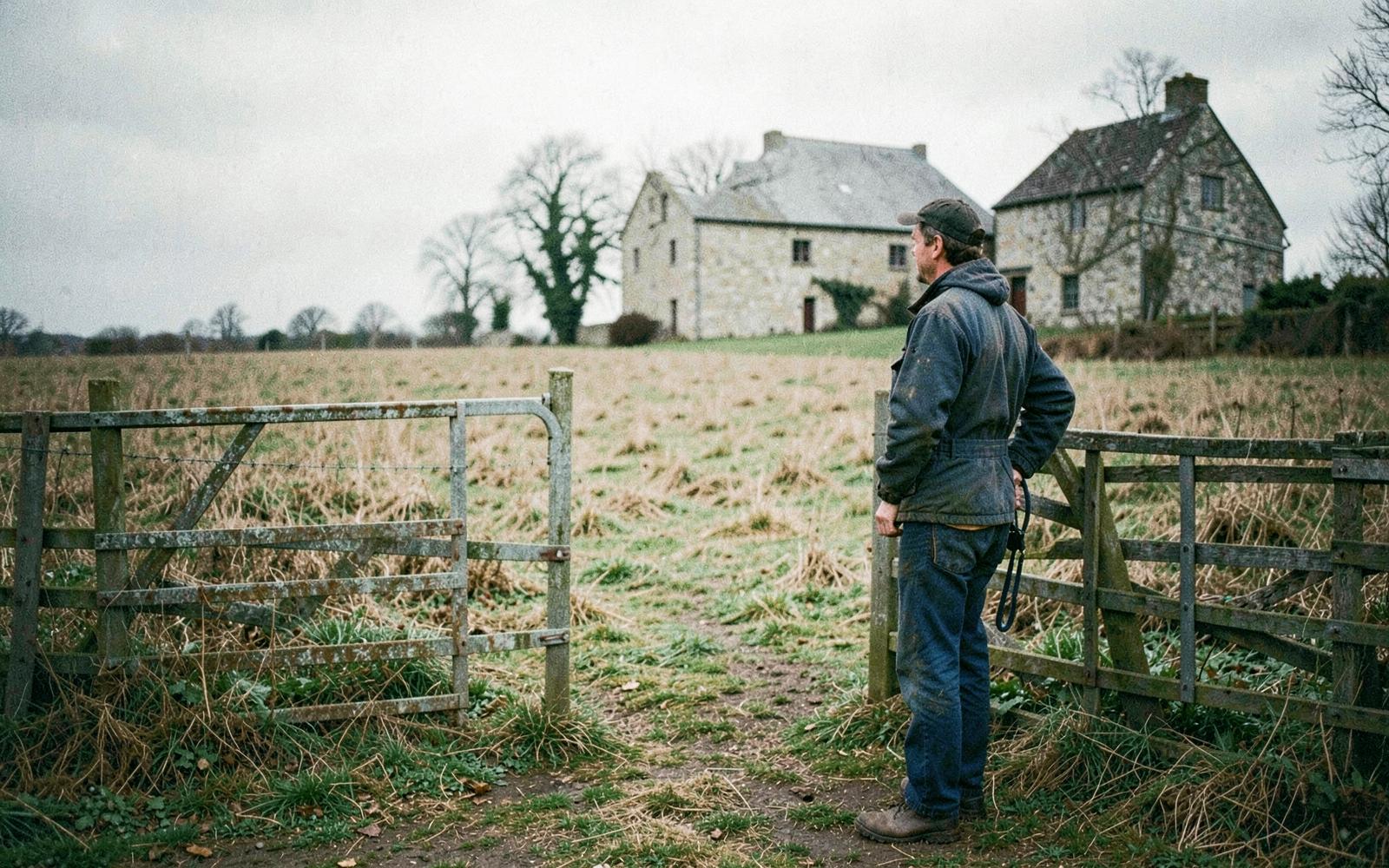
You have acres, or a farmhouse, or buildings standing empty. You can picture people here. What you're looking for is a way to find the right ones, and the confidence that inviting them in will leave your home, your savings and your sanity intact.
That's a knowledge gap, and it's learnable. How to write a vision that attracts your people. How to invite, trial and part ways kindly. What agreements protect you and them. How decisions get made when it's your land and shared say.
By the end you'll have a clear, honest offer to put out into the world, and the structures underneath it so the answer to "what if it goes wrong?" is already written down.
What you get
Bonuses
Every place on the course comes with a shelf of resources you'll keep using once your project is up and running.
Your companion through the course, yours to keep afterwards.
Step by step guides to setting up and running a co-operative.
Everything you need to run circles, rounds and consent decisions.
A gathered library of the places, people and reading we lean on.
A full course in speaking and listening so people stay connected.
A clear process to follow when things get hard between people.

Guest voices
We're inviting practitioners from across the movement to speak with the cohort. Confirmed guests are announced to each cohort before we begin.
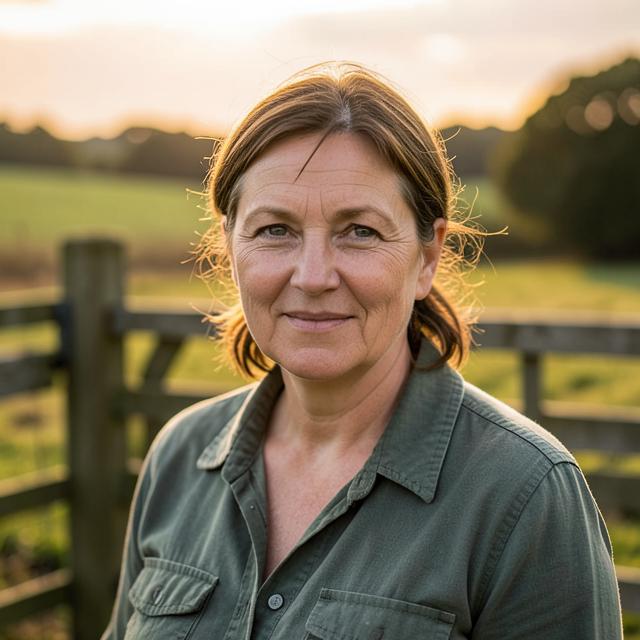
Lease options & community land ownership
Known for keeping a family farm in community hands through a community share raise, and for the lease routes that let people farm land they don't own. She speaks to the practical question of how you get onto land without buying it.
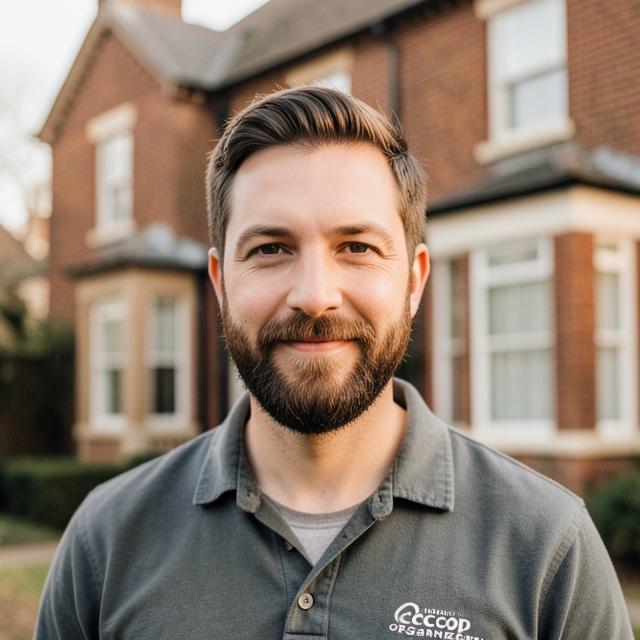
A network of radical housing and worker co-ops
A mutual aid network of co-operatives that lends to its own members. Their model shows how ordinary people pool small amounts of money to buy and hold property together, and how co-ops stay accountable to each other.
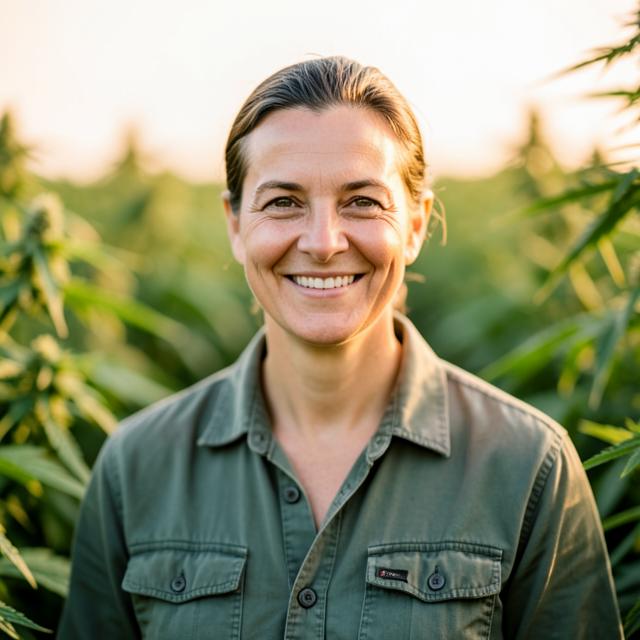
A workers' co-op farming hemp
A flat, non-hierarchical farming co-operative growing and processing hemp. They speak to the reality of running a land-based business with shared pay, shared decisions and shared responsibility.

Small-scale land projects that pay their way
A working example of building something viable on a small piece of land, covering the money models, the labour and the honest numbers behind a life on the land.
Pricing
Three prices for the same course, the same seat and the same everything. Choose the one that's true for you. There's no proof to send and nobody checks.
Solidarity
£199
If money is tight. No explanation needed, no questions asked.
Standard
£250
The true cost of running the course. Most people choose this.
Supporter
£300
Pay it forward: your place plus a solidarity place for someone else.
We don't want anybody to go without because of money. Money will never be a barrier to entry here. If none of these prices are possible for you right now, contact us at hello@communitylivinglaunchpad.com and we will find a way to make it work.

100% money back guarantee
If the course isn't right for you, tell us and we'll refund you in full. No forms to fill in, no explanation needed.
Questions